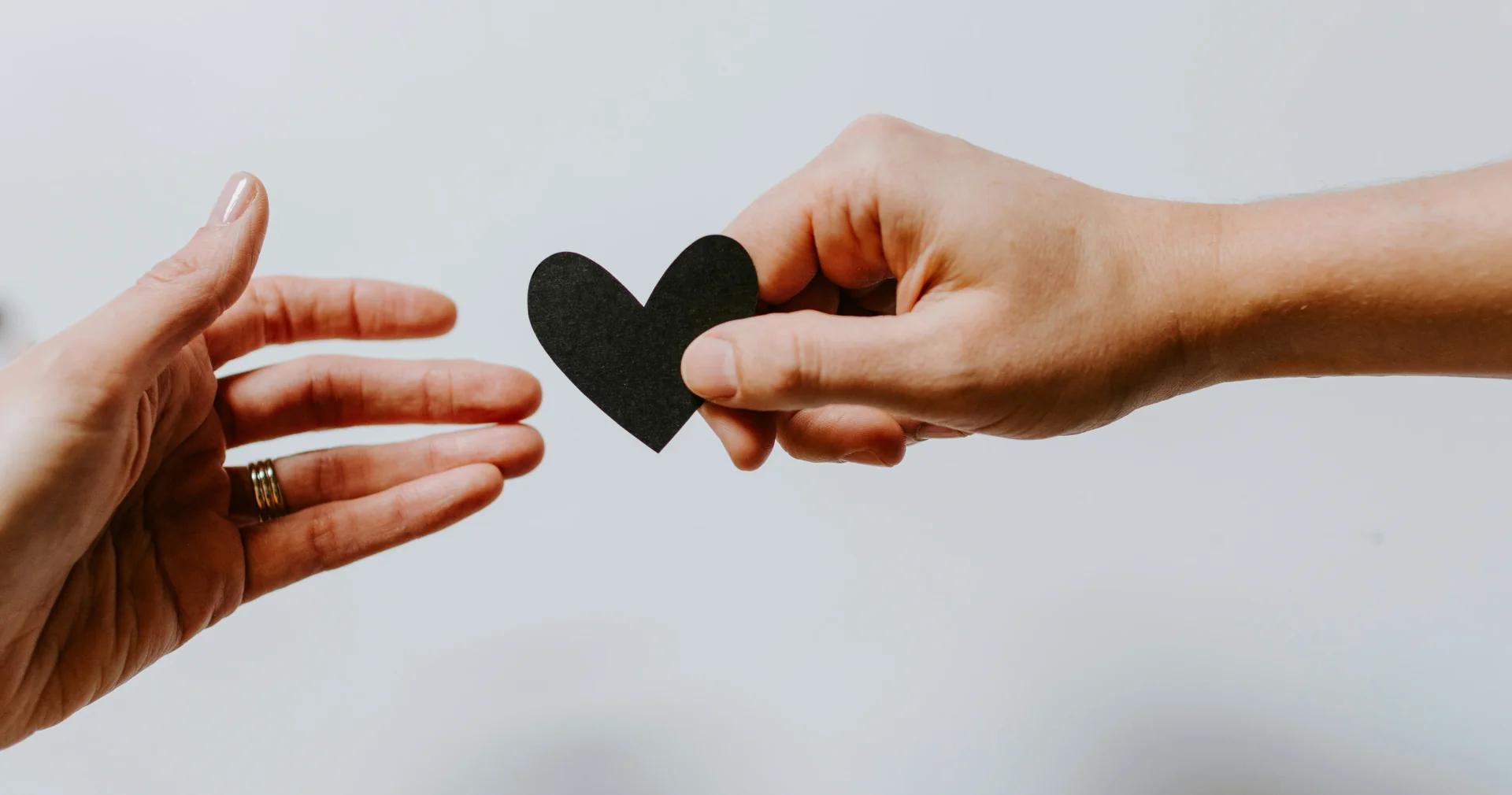
How are you doing?
Source: "World Mental Health Day 2020", World Health Organization (WHO).
A simple question, isn't it?
Answering the question "How are you?" may seem so simple. However, it can sometimes be difficult to give an honest answer to this question. Answering "No, I'm not doing well" could mean that we are experiencing mental health issues.
Each year, one in five Canadians will be affected by a mental health problem or mental illness. However, this person may not have access to the resources needed to support them.
Mental health issues should never be neglected
Mental health disorders cause far more damage than we might suspect. They can have negative repercussions on the entire body. Among other things, they can cause:
sleep disorders,
eating imbalances,
increased heart rate,
Thus, in addition to affecting mental well-being, they can affect the immune system and cardiovascular health.
According to the WHO, investments in this area of health are still too low and "relatively few people in the world have access to quality mental health services."
This is also the issue targeted by the campaign "Move for mental health: let's invest!". Produced by the WHO, United for Global Mental Health and the World Federation for Mental Health, it highlights the insufficient investments granted in this area compared to the growing demand.
In addition to professional help, small daily acts such as yoga, meditation, mindfulness, reading and communicating in person or by phone can greatly help the recovery process and mental well-being.
Tomorrow, on the occasion of World Mental Health Day, we therefore invite you to undertake one or more positive actions to take care of your mental health or to support a loved one.
check in on a friend or loved one,
take a moment to do something you enjoy,
turn off your electronic devices to disconnect and live in the present moment,
learn about different tips to manage your stress,
To get through difficult times, various organizations offer a free, anonymous and confidential listening centre. These resources allow you to confide, receive support and advice, and obtain assistance in finding the appropriate professional help. Here are a few:
Phobies Zéro (also offers virtual and in-person support groups)
Pairs aidants j'écoute
Canadian Mental Health Association. May 14, 2020. "16 strategies to help you thrive": https://cmha.ca/fr/blogs/16-strategies-pour-vous-epanouir
Canadian Mental Health Association. January 12, 2020. "Mental health: what is it, really?": https://cmha.ca/fr/blogs/la-sante-mentale-quest-ce-que-cest-vraiment#_ftn1
World Health Organization. "World Mental Health Day 2020": https://www.who.int/fr/campaigns/world-mental-health-day/world-mental-health-day-2020/world-mental-health-day-campaign?fbclid=IwAR3EKO_oodoe10YlR4kfknDk9K2OsfH5OKWNeIvPGDD-wATCLkiyGOUOZQA
Formation RCR et Secourisme Québec. March 1, 2019. "Cardiovascular risk factors": https://frsqc.com/fr/lexique/facteurs-de-risques-cardio-vasculaires
Communications Officer